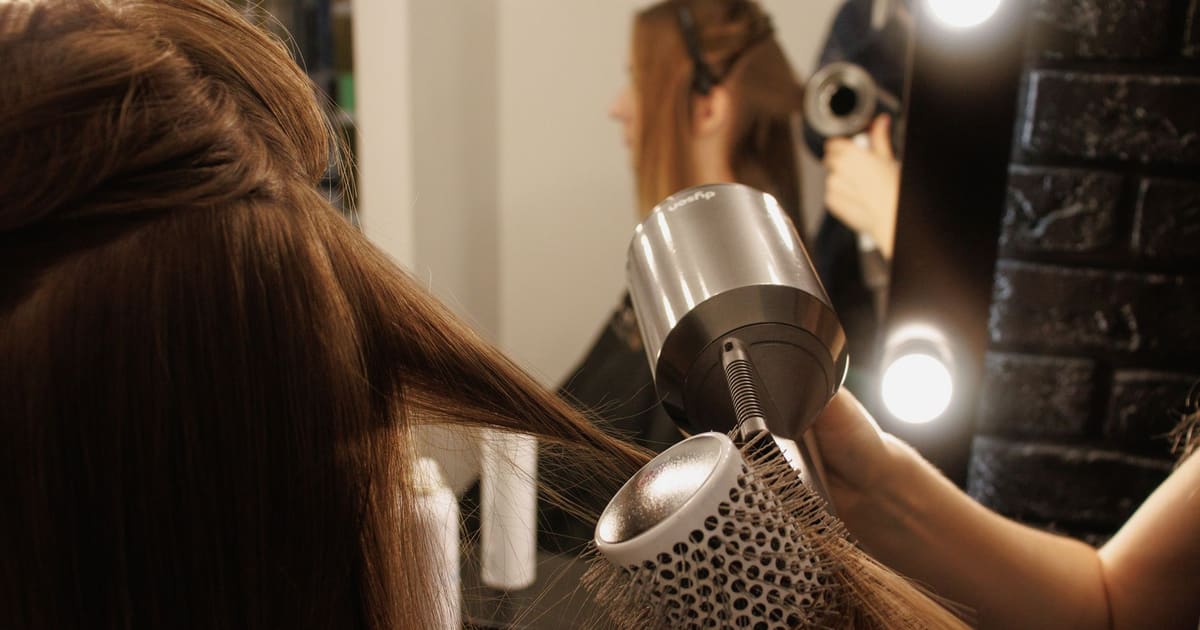
The standard tip for a hairdresser in the US is 15 to 20 percent of the total service cost, according to the Professional Beauty Association (PBA). For a genuinely great experience -- whether that means a perfect cut, a flawless color, or a stylist who made you feel heard -- 20 to 25 percent is entirely appropriate. Most clients in the US tip in this range, and doing so is both customary and meaningful.
Why Tipping Matters in the Salon Industry
Salon professionals in the US are typically paid either an hourly base wage or a commission on services -- often between 40 and 50 percent of the service price, according to industry compensation data published by the Professional Beauty Association. The rest covers rent, supplies, product costs, and overhead. Gratuity fills a real gap in take-home pay, particularly for stylists building a clientele or working in high-cost markets.
None of this means you are required to tip. But understanding the economics helps explain why the 15 to 20 percent convention exists and why it matters more in the salon than in some other service industries.
Tipping anxiety is common, especially among first-time salon clients or people visiting a new stylist. The short version: when in doubt, 20 percent is a safe, generous, and warmly received number. It is easy to calculate, widely understood, and leaves everyone feeling good.
The Standard Tip Range by Service Type
The 15 to 20 percent range applies broadly across salon services, but a few scenarios warrant a closer look.
Haircuts
For a standard haircut -- whether at a local independent salon or a mid-market chain -- 15 to 20 percent is appropriate. On a $50 haircut, that is $7.50 to $10. If your stylist spent extra time on detailed cutting, texture work, or styling beyond the basics, 20 to 25 percent is a genuinely appreciated acknowledgment.
For context on what haircuts typically cost in the US, see How Much Does a Haircut Cost?.
Color Services
Color appointments are typically longer, more technical, and more expensive than cuts -- and the tip should reflect that. On a $180 single-process color visit, a 20 percent tip is $36. That is not a small number, and it is also not unreasonable given that your stylist may have spent three hours or more on the appointment.
For complex color work -- balayage, full highlights, or a multi-step color correction -- the same percentage applies. If anything, these sessions warrant leaning toward the higher end of the range, because the skill and time involved are significant. You can learn more about what drives color pricing in How Much Does Hair Color Cost at a Salon? and How Much Does Balayage Cost?.
Multi-Service Visits
When you book a cut and color in one appointment, calculate your tip on the combined service total. A $200 visit with cut and color warrants a $30 to $40 tip for the stylist -- again, in the 15 to 20 percent range.
Who Else to Tip: Assistants and Colorists
Modern salons often involve more than one person. A shampoo assistant washes and conditions your hair, applies toning, or helps rinse out color. A separate colorist may mix and apply your color while your primary stylist handles the cut. These team members contribute meaningfully to your experience and are typically tipped separately from your main stylist.
Tipping Assistants
A shampoo or processing assistant who works on your hair typically receives $3 to $5 for a straightforward visit, or more -- around $5 to $10 -- if they provided an extended scalp massage, conditioned and detangled long or heavily treated hair, or were particularly attentive throughout your appointment. Cash handed directly to them at the end of your visit is the clearest way to make sure they receive it.
If a dedicated colorist applied your color and a separate stylist did your cut and finish, consider tipping each person a portion of the total gratuity -- roughly proportional to the time each spent on your hair. There is no formula that works perfectly in every case; your best judgment is enough.
Should You Tip the Salon Owner?
This is the most commonly debated question in salon tipping, and the answer has shifted in recent years. Traditionally, the Emily Post Institute and similar etiquette authorities held that tipping the owner was optional -- the reasoning being that owners set their own prices and retain more of the revenue than an employed stylist.
In practice, though, the lines have blurred. Many salon owners work the floor alongside their staff, completing the same services at similar or identical price points. Withholding a tip from an owner who spent two hours doing your balayage can feel awkward, and it increasingly is. The Emily Post Institute now acknowledges that tipping the owner has become widely accepted and, where the owner provides direct hands-on service, is the norm rather than the exception.
The practical guidance: if the owner performed your service and you are happy with the result, tip as you would anyone else -- 15 to 20 percent. If you are genuinely uncertain, a 15 percent tip is a respectful and safe choice.
Tipping on Promotions and Groupon Deals
Always Tip on the Full Regular Price
When you use a Groupon, a new-client promotion, or a salon discount, calculate your tip on the full, undiscounted service price -- not the amount you actually paid. The deal reduces what the salon earns, not what the stylist put into your visit. Tipping on the promotional price significantly undercompensates the stylist for the same labor and skill they would provide to a full-price client.
This is standard etiquette guidance from sources including the Emily Post Institute, and it is worth internalizing if you use salon deals regularly. If a blowout normally costs $65 and you paid $30 with a promo code, your tip should be based on the $65 menu price -- $10 to $13 at 15 to 20 percent.
Tipping Scenario Reference
The table below covers the most common situations at a glance.
| Scenario | Typical Tip | Notes |
|---|---|---|
| Haircut only | 15-20% of service price | Tip toward the higher end for technical precision or extra time |
| Single-process color | 15-20% of service price | Color appointments are labor-intensive; 20% is well-received |
| Multi-service (cut + color) | 15-20% of combined total | Tip the full visit total; divide among stylists if multiple worked on you |
| Balayage or highlights | 15-20%, leaning toward 20% | Long, skilled appointments warrant the higher range |
| Groupon or promotion | 15-20% of full menu price | Never tip on the discounted amount |
| Shampoo assistant | $3-$10 flat | Cash, given directly; more for attentive or extended shampooing |
| Salon owner (hands-on service) | 15-20% (same as stylist) | Now widely accepted; optional but recommended |
| Holiday visit | Standard tip + extra $10-$25 | A seasonal gesture of appreciation for a regular stylist |
Ranges reflect US industry guidance per the Professional Beauty Association.
How to Actually Leave a Tip
Cash Is King -- But Cards Work Too
Cash is widely preferred in the salon industry because it goes directly to the stylist at the end of the shift, without waiting on payroll processing. If you tend to carry little cash, check the salon's policy before your appointment -- most salons today allow you to add a tip to a card payment at checkout, either verbally or through a digital point-of-sale prompt.
A few practical notes:
Cash. Small bills are helpful. If you want to tip multiple people -- your stylist and the shampoo assistant -- having separate amounts ready avoids the awkward "can you split this?" at checkout.
Card tips. Many salons process card tips through their booking or point-of-sale system and distribute them via payroll. Some stylists receive card tips on the same day; others wait until the next payroll cycle. It works, and no one will think less of you for it -- but cash is a genuine kindness.
Add the tip at checkout. The checkout desk is the natural moment to tip. You do not need to hand money directly to your stylist if that feels awkward -- front-desk staff handle it routinely.
Holiday Tipping
If you see the same stylist regularly throughout the year, a holiday tip is a meaningful and appreciated gesture. The convention is to give your regular stylist the equivalent of one full-price service -- or, more practically, your standard tip plus an extra $10 to $25, depending on how often you visit and how much you value the relationship.
Holiday Tip Timing
The holiday tipping window in the US is generally November through early January. If you have a regular appointment in December, that visit is the natural moment. If your schedule puts you in the chair in November or early January instead, that counts too. There is no penalty for being slightly early or late.
Holiday tips are not obligatory -- they are an expression of appreciation for a stylist who has taken care of you over the course of a year. First-time or infrequent clients are not expected to give a holiday tip beyond the standard gratuity for the visit.
When Service Falls Short
Most salon visits go well. When something goes wrong -- a color result that misses the mark, a cut that is shorter than you asked for -- the right response is to communicate with your stylist or the salon manager, not to silently withhold a tip.
Withholding a tip without saying anything leaves the stylist without feedback and you without a resolution. Most reputable salons will work with you to correct a result that did not meet your expectations. If you are genuinely dissatisfied and feel a reduced tip is warranted, that is a judgment call -- but a brief, honest conversation almost always produces a better outcome for everyone.
If you are unsure how to evaluate a salon before booking in the first place, How to Choose a Hair Salon: What to Look For walks through what to look for in stylist credentials, client reviews, and consultation quality.
If You Are Unhappy, Say Something
Reducing or skipping a tip without speaking up is not a constructive signal. Stylists typically do not know why a client did not leave a gratuity, and the salon cannot fix a problem it does not know about. A calm, specific conversation -- "the toner ran a little warm for what I wanted" or "the length is a bit shorter than we discussed" -- gives the stylist a real opportunity to address it.
The Bigger Picture
Tipping at a salon is one part of a broader relationship with a skilled professional. The clients who communicate clearly, tip fairly, and speak up when something is not right tend to get the best long-term results -- because stylists can take notes, refine their approach, and genuinely look forward to the appointment.
If you are curious about what drives service pricing before you book, How Much Does Hair Color Cost at a Salon? and How Much Does Balayage Cost? break down the variables worth understanding before you sit in the chair.
The short version of all of it: 20 percent is a solid, generous baseline. Tip in cash when you can. Tip the assistants. Tip on the full price when you use a deal. And if something goes sideways, say so -- that is the most useful thing you can do.
Frequently asked questions
How much should I tip my hairdresser?
The commonly accepted range in the US is 15 to 20 percent of the service total, according to the Professional Beauty Association. For exceptional work -- a complex color correction, a transformative cut, or a stylist who really listened -- tipping 20 to 25 percent is a warm and well-received gesture.
Should I tip on the discounted price or the full price when using a Groupon?
Tip on the full regular-menu price, not the discounted amount. Groupon and similar deals compensate the salon at a reduced rate, so the stylist's labor is the same as any full-price appointment. Calculating your tip on the full service price ensures your stylist is appropriately recognized for their work.
Do you tip the salon owner?
Traditionally, tipping the owner was considered optional because they set their own prices and keep a larger share of the revenue. Today, most etiquette authorities, including the Emily Post Institute, note that tipping the owner has become widely accepted and is appreciated. When in doubt, tip.
How do I tip multiple people in one salon visit?
Calculate the standard 15 to 20 percent on each service individually, or on the full visit total, then divide it among the people who worked on your hair. Cash is especially helpful here because it lets you hand each person their portion directly without relying on the salon to distribute it.
Is it rude not to tip at a hair salon?
In the US, where salon workers often earn wages that assume gratuity, not tipping is generally considered poor etiquette unless the service was genuinely unsatisfactory. If something went wrong, the better path is to speak with the stylist or manager rather than silently withholding a tip.