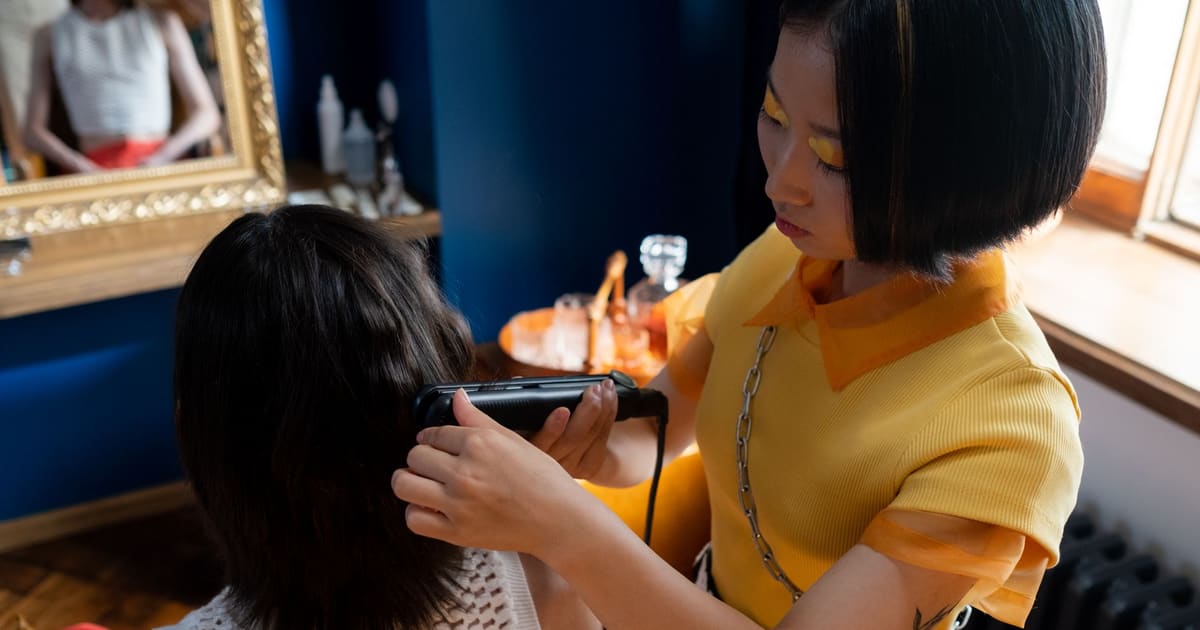
Hair color at a US salon typically costs $60 to $300 or more, depending on the service type, your hair's length and density, the salon's market tier, and whether you are going darker, lighter, or correcting a previous result. Root touch-ups sit at the lower end of that range; double-process work and corrective color push well past it. Prices vary widely by region and stylist experience.
What You Can Expect to Pay by Service Type
Not all color services are priced the same, and understanding what each one involves helps you read a quote more clearly. The table below outlines typical US price ranges for common salon color services, sourced from Professional Beauty Association (PBA) pricing surveys and industry pricing benchmarks.
| Color Service | Typical Price Range | Upkeep Cadence / Notes |
|---|---|---|
| Root touch-up (single-process) | $60 -- $120 | Every 4-8 weeks; shorter sessions, less product |
| Single-process all-over color | $70 -- $175 | Every 6-10 weeks; prices rise with length |
| Gloss or toner | $45 -- $95 | Every 4-8 weeks; often added onto another service |
| Double-process color | $150 -- $300+ | Every 6-10 weeks; includes lift + tone, higher product cost |
| Corrective color | $150 -- $450+ per session | Varies; may require multiple appointments |
| Highlights (partial) | $80 -- $160 | Every 8-12 weeks; fewer foils, lower cost |
| Highlights (full) | $120 -- $250+ | Every 8-12 weeks; see our full highlights cost guide |
| Balayage | $100 -- $350+ | Every 10-16 weeks; see our balayage cost guide |
Ranges based on PBA pricing surveys and mid-market US salon benchmarks. Prices vary by region, stylist experience, and hair characteristics.
Single-Process All-Over Color
Single-process color applies one shade from root to ends in a single formula. It is the baseline color service and the most straightforward to price. According to PBA survey data, mid-market salons typically charge $70 to $150 for shoulder-length hair, while salons in high-cost urban markets or with senior colorists commonly reach $150 to $200 or more for the same service. This is the starting point for most color conversations.
Root Touch-Ups
A root touch-up applies fresh color only to the new growth -- usually one to two inches at the scalp. Because it uses less product and takes less time than a full application, it is consistently the most affordable repeat color service. Most salons in mid-range markets charge $60 to $120, according to PBA benchmarks. This is also the service you will return for most often, which is why understanding the long-term math matters (more on that below).
Gloss and Toner Treatments
A gloss or toner deposits a semi-permanent color layer that neutralizes brassiness, adds shine, or refreshes faded color without lifting. Many salons offer these as add-ons after a highlight or bleach service; others sell them as standalone treatments. Typical pricing runs $45 to $95, though salons that bundle toners into the original color service price may not charge separately.
Double-Process Color
Double-process color involves two distinct chemical steps: lifting (removing existing pigment with bleach or high-lift color) and then depositing a new tone. The classic example is going platinum from dark brown -- you cannot achieve it in one step without risking severe damage. Because the service uses more product, takes longer, and demands a higher level of technical skill, it costs more: typically $150 to $300 or more at mid-market salons, per PBA pricing survey ranges. Some senior colorists in major cities charge significantly beyond that for complex work.
Patch and Strand Testing
If you are coloring your hair for the first time, switching color lines, or have a sensitive scalp, ask your salon about a patch test (also called an allergy or sensitivity test) at least 48 hours before your appointment. A strand test, done on a small section of your hair, shows how your hair will actually respond to the formula before it goes on everything. These are standard professional practices -- a good colorist will not skip them.
What Drives the Price Up or Down
The table gives you a starting range. What lands your specific appointment above or below the midpoint depends on several factors.
Hair Length and Density
Most salons price color services in tiers: short (above the chin), medium (chin to shoulders), long (shoulders to mid-back), and extra-long (beyond mid-back). Longer hair requires more product and more time. According to PBA pricing guidance, the step from medium to long hair commonly adds $25 to $60 to a base color service, and extra-long or very dense hair can add more on top of that.
Density matters independently of length. Two people with the same shoulder-length hair can have very different amounts of it. A colorist working with thick, dense hair is using more product and spending more time sectioning -- both of which are typically factored into the quote.
Going Lighter vs. Going Darker
Darkening hair is chemically simpler -- you are depositing pigment rather than removing it. Going lighter requires lifting your existing color first, which takes more time, more product, and greater technical precision to avoid damage or uneven results. The further from your natural starting point you are trying to go, the more work is involved and the higher the cost. Dramatic lifts -- think dark brunette to light blonde -- almost always require a double-process approach or a series of appointments rather than a single session.
Setting Realistic Expectations
If you are hoping to go several shades lighter than your natural or current color, tell your colorist your end goal up front, not just your immediate ask. A good colorist will map out whether you can get there in one session or whether a staged approach over several appointments is the safer, better-looking route. That conversation is worth having before you sit in the chair.
Corrective Color
Corrective color is its own category. It addresses unwanted results -- a home color that went too warm or too dark, a box dye that created bands of uneven color, or a bleach job that left hair patchy or orange. Corrective work requires careful assessment, precise formulation, and often significantly more chair time than a standard color appointment. Salons commonly charge $150 to $450 or more per corrective session, and full correction sometimes requires two or three separate appointments. This is one of the strongest arguments for working with a licensed colorist from the start -- corrective work that might have been avoided costs far more than the original service would have.
Salon Tier and Location
Salon pricing reflects both the cost of operating in a given market and the experience level of the stylist. A single-process color in rural Midwest markets may run $60 to $90 at a well-regarded local salon. The same service at a boutique color bar in New York, Los Angeles, or San Francisco can easily reach $200 to $300, according to PBA regional pricing data. Neither price is wrong -- they reflect real differences in overhead, rent, product cost, and stylist specialization.
Within any given market, salon tier also matters. A chain or franchise salon typically charges less than an independent boutique or a salon with a named color specialist. This does not always mean lower quality, but it does mean less individual consultation time and a less customized formula in many cases. For straightforward root touch-ups or single-process color with minimal complexity, a well-run mid-range salon is a perfectly reasonable choice.
The Real Long-Term Cost: Upkeep
A single color appointment is one thing. The true cost of maintaining color is something different, and it is worth understanding before you commit to a service.
Upkeep Is the Real Cost
The appointment price is only the beginning. Permanent color needs a root touch-up every four to eight weeks. Add a gloss or toner every other visit to keep tone looking fresh. Multiply that out over a year and a mid-range color maintenance routine commonly runs $400 to $900 or more -- before tips. That number should be part of your decision before you choose a service.
Single-process permanent color typically needs a root touch-up every four to six weeks. Double-process and bleach-based work often requires a toner or gloss between full appointments to combat brassiness. Semi-permanent color fades faster -- usually over six to twelve weeks -- but does not leave a visible root line since it does not lift the natural pigment.
Balayage and hand-painted color techniques tend to have the longest maintenance intervals, often ten to sixteen weeks, because there is no harsh line of demarcation at the root as new growth comes in. That lower upkeep frequency is part of why balayage commands a higher upfront price -- it saves you return trips. Our balayage cost guide covers the full picture.
For a deeper look at keeping your color vibrant between appointments, read our guide on how to maintain hair color between salon visits.
Box Dye vs. Salon Color: The Cost Contrast
Box dye typically costs $5 to $20 per application at a drugstore versus $60 to $300 or more at a salon. If budget is the sole consideration and the goal is a simple shade that is close to your natural color, that gap is real and worth acknowledging.
The trade-offs are also real. A salon colorist assesses your hair's history, current condition, and underlying pigment before choosing a formula. Box dye uses a one-size formula calibrated for an average starting point, which can produce unpredictable results on color-treated, highlighted, or chemically processed hair. The risk is greatest when going lighter or covering existing salon color -- situations where the formula needs to be tailored to what is already on the hair.
For anyone making a significant color change, trying to lift color, or maintaining a complex existing color, a licensed colorist is the safer path -- even if the upfront number is higher. For an honest side-by-side, our salon hair color vs box dye comparison walks through the tradeoffs in detail.
On DIY Color Correction
Correcting a box dye result at home is one of the higher-risk moves in hair color. The cost of a professional corrective session -- often $150 to $450 or more -- is frequently higher than whatever the original DIY application saved. If a home color result is significantly off, a professional consultation before any attempt to fix it yourself is worth it.
How to Get an Accurate Quote
Salon color pricing is almost always quoted per service, not per hour, and it varies enough that calling ahead or booking a consultation is the most reliable way to know what you will actually pay. When you contact a salon, be ready to describe your current hair color and any previous chemical services, your desired result, and your hair's length and approximate density.
Some salons offer complimentary consultations for new color clients -- particularly for anything involving bleach, significant lifting, or corrective work. This is worth requesting. It gives the colorist a chance to assess your hair in person, identify any complicating factors, and give you a realistic quote and timeline before you commit.
What to Ask When You Call
Ask whether the quoted price includes a toner or gloss finish -- some salons bundle these in, others charge separately. Also ask whether there is a charge for longer or thicker hair above the base price. Knowing this upfront avoids surprises at checkout.
For more on preparing for your first color appointment, our guide on how to prepare for a hair color appointment covers what to bring, what to communicate, and how to set your colorist up for success. And if you want to understand whether a price you have been quoted is typical for your market, our average salon prices guide provides a broader reference across services.
All US cosmetologists are required to be licensed by their state board. If you are working with a new colorist, you can verify licensure through your state's cosmetology board website before your appointment -- standard practice and worth doing for any chemical service.
Frequently asked questions
How much does a single-process hair color cost at a salon?
A single-process all-over color typically costs $60 to $150 at a mid-market US salon, according to Professional Beauty Association pricing surveys. The range widens at high-end or urban salons, where the same service can reach $200 or more depending on stylist experience and hair length.
How often do you need a root touch-up for permanent color?
Most clients with permanent color schedule root touch-ups every four to six weeks, though darker shades and slower-growing hair can stretch that to eight weeks. Skipping appointments lets visible roots accumulate and can make blending harder over time, occasionally requiring more product and adding cost.
Is box dye significantly cheaper than salon color?
Box dye typically costs $5 to $20 per application versus $60 to $300 or more at a salon, making it dramatically cheaper upfront. The trade-off is the absence of a professional assessment, custom formula, and application precision -- factors that matter most when going lighter, correcting color, or working on chemically treated hair.
What is corrective color and why does it cost more?
Corrective color addresses unwanted tones, uneven results, or damage from previous color -- including failed DIY applications. It often requires multiple sessions, higher product volume, and significantly more chair time. Salons commonly charge $150 to $400 or more per corrective session, and full correction may span two or three appointments.
Does hair length affect the cost of salon color?
Yes. Most salons price color by hair length -- short, medium, long, and extra long -- because longer hair requires more product and processing time. Going from shoulder-length to waist-length hair can add $30 to $80 or more to the base service price, depending on density and the specific salon's pricing structure.