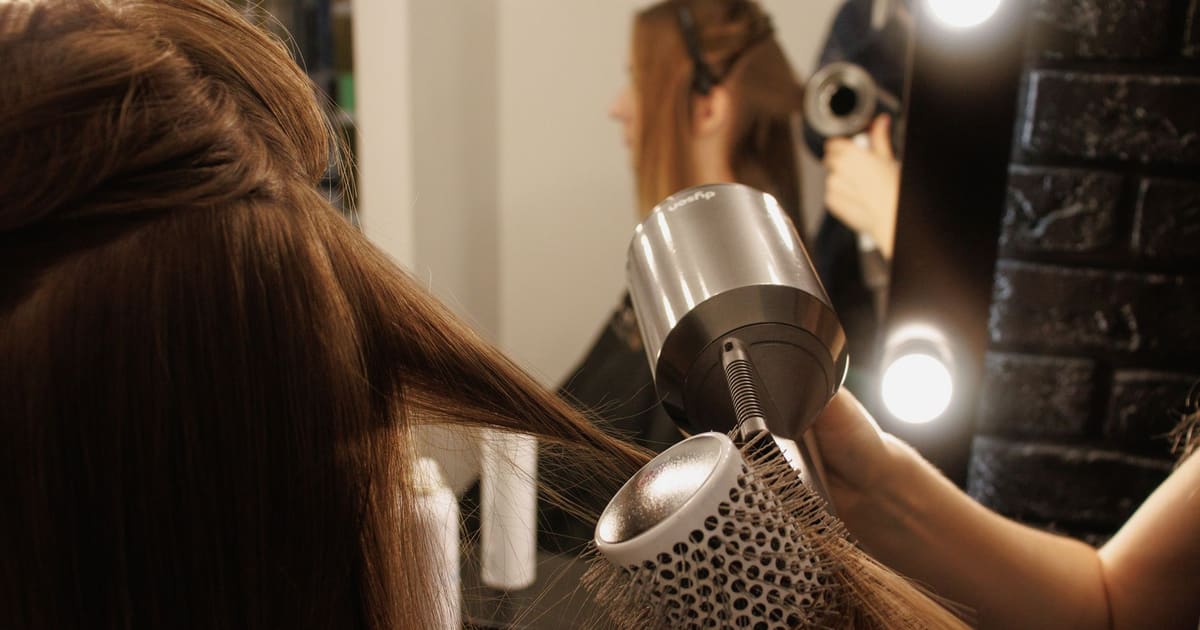
A professional hair salon appointment typically follows a clear sequence: booking, arrival and consultation, the service itself, a rinse or styling step, payment, and tipping. Understanding what each step involves before you arrive removes most of the uncertainty for first-time visitors. Whether you are booking a simple trim or a significant color change, the experience is more predictable -- and more rewarding -- when you know what to expect at each stage.
Booking Your First Hair Salon Appointment: What to Know
Most salons take appointments by phone, through their website, or via a booking platform such as StyleSeat, Vagaro, or Square Appointments. Walk-ins are accepted at many salons, but booking in advance guarantees you the stylist and time slot you want, particularly for color and treatment appointments which have longer scheduling windows.
When booking, provide honest information about your hair's current condition and what you want to achieve. Mentioning that you have been using box dye, that your hair is significantly damaged, or that you have never had a particular service before helps the salon allocate the right amount of time and match you to the right stylist.
Service length to expect when booking:
| Service | Typical Duration |
|---|---|
| Basic trim (existing length, no color) | 30--45 minutes |
| Full haircut with blow-dry | 45--75 minutes |
| Single-process color (short to medium hair) | 60--90 minutes |
| Highlights (partial) | 90--120 minutes |
| Balayage (full) | 2.5--4 hours |
| Keratin treatment | 2--4 hours |
| Haircut plus color on same visit | 3--5 hours |
Source: booking-platform scheduling data and salon industry appointment time guides. These are starting estimates; longer hair, dense hair, or complex services extend these ranges.
If your appointment involves significant color work and you are a new client, many salons will ask you to come in for a consultation appointment before the service itself. A consultation is typically free or charged at a nominal fee, and it allows the colorist to see your hair in person, assess its condition, and set realistic expectations for what is achievable at the first appointment.
The Salon Consultation: What to Bring and What to Say
Whether your consultation is a separate appointment or the first fifteen minutes of your service appointment, it is the most important conversation you will have at the salon. This is when expectations are set.
What to bring:
- Reference photos: Two to three images showing the style or color you want, from different angles. Images from real-life haircuts (not digital illustrations or heavily filtered photos) show more realistic expectations.
- A photo of your current hair: This is useful if you are doing a consultation before a color appointment and cannot come in person first.
- An honest account of your color history: When was the last time you used box dye? Have you had bleach on your hair in the past year? What colors have you had? This information is not a judgment -- it is critical technical input for the colorist.
What to say:
Describe your lifestyle honestly. If you do not blow-dry regularly, say so. If you swim three times a week, say so. If you have 10 minutes for your hair in the morning, say so. A haircut that looks stunning in the salon and requires 30 minutes of blow-drying to replicate is the wrong cut for someone who air-dries every day.
Describe your maintenance appetite. Color that needs a salon visit every six weeks is a commitment; if your schedule only allows four salon visits per year, your colorist needs to know so they can recommend services that work within that reality.
Show Two or Three Reference Photos, Not Twenty
Bringing a folder of twenty inspiration photos sends conflicting signals and makes the consultation harder, not easier. Choose two or three that clearly represent the outcome you want -- one showing the overall look, one showing the color or texture detail up close, and optionally one showing a result you would not want. Three clear, specific photos give the stylist better information than twenty vague ones.
Understanding How Salon Pricing Works Before You Sit Down
US hair salon pricing is not standardized, and the final number on your ticket can surprise first-time visitors if you do not ask about pricing in advance. The most common reasons salon bills exceed the initial quote:
Length surcharges: Many salons quote a base price for short or medium-length hair and add a surcharge for longer hair because it uses more product and takes more time. If your hair is long, ask whether the quoted price includes a length adjustment.
Toner as a separate line item: At many salons, particularly for color and balayage services, a toner applied after lightening is charged separately -- often $45 to $90 -- rather than being included in the service price. Ask before the appointment whether toner is included.
Additional services: A stylist may recommend adding a conditioning treatment, a glossing step, or a bond treatment (such as Olaplex) after assessing your hair's condition. These are legitimate recommendations but they add to the bill. You are never required to accept an add-on.
Senior stylist premium: If you booked with a senior or master stylist, their rate is higher than a junior stylist performing the same service. This is listed in most salon pricing menus; ask when booking if you want clarity.
For a comprehensive overview of what to expect to pay for different services, the average salon prices guide covers typical ranges for cuts, color, nails, and treatments across service tiers and markets.
What Happens During a Haircut or Color Appointment
Haircut appointment flow:
- You arrive, check in at the front desk, and are directed to your stylist's station or a waiting area.
- The stylist conducts a brief consultation -- what are you wanting to achieve today? Reference photos here are your friend.
- You are escorted to the shampoo bowl for a wash and conditioning treatment. The shampoo step includes a scalp massage. This takes 5 to 10 minutes.
- You return to the styling chair. The stylist works through the cut in sections, using scissors and, for shorter styles, clippers.
- The blow-dry and styling step finishes the look. The stylist will use a mirror to show you the back.
- Product recommendations may be offered -- these are optional purchases.
Color appointment flow (adds steps to the above):
After the consultation, the stylist prepares and applies the color product before the shampoo step. Processing time -- the period when color or bleach is working -- can range from 15 minutes for a simple toner to 60 to 90 minutes for a balayage or bleach process. During this time, most clients sit at their station, use their phone, or read. The stylist will check in periodically.
After rinsing the color, a toner may be applied and processed (another 10 to 20 minutes). Then the shampoo bowl, conditioner, and styling steps follow.
For a detailed walkthrough specific to first-time color clients, the how to prepare for a hair color appointment guide covers everything from arriving with the right hair condition to what questions to ask during the consultation.
How to Give Feedback If You Are Not Happy With Your Results
The moment to give feedback is before you leave the salon, while you are still in the chair. This is not awkward -- it is the professional norm, and every skilled stylist expects it.
If the length is slightly more than you wanted, say so. If the color is not quite the tone you had in mind, say so. Stylists would rather adjust in the moment than have a client leave unsatisfied.
If you realize the problem after leaving, contact the salon by phone or message within 48 to 72 hours. Most reputable salons have a correction policy that allows for a revisit to adjust the result. Be specific about what you are not happy with and bring the same reference photos you used at the original appointment.
What is typically within correction policy: a cut that is longer than requested, a color result that is too warm, too cool, or uneven, or a style that does not match the agreed reference photo.
What is typically not within correction policy: dissatisfaction with a result that was accurately described and agreed upon in the consultation, or changes of mind after the service about what the client wanted.
How to Pay, Tip, and Rebook
At the front desk, review your bill before paying. Line items for toner, treatments, or add-on services should be visible. If a charge is unclear, ask what it is for -- receptionists are used to explaining line items.
The standard tip for hair salon services is 15 to 20 percent of the service total before tax, according to industry etiquette guidance. For a particularly good result, exceptional patience, or a complex service executed well, 20 to 25 percent is appropriate. For full guidance including what to do when the service quality was not what you expected, the hairdresser tipping guide covers the standard conventions in detail.
Rebooking before you leave is a practical habit. Popular stylists at quality salons book out several weeks in advance, particularly for color appointments. If you know roughly when you will want your next service, locking in the appointment before leaving saves the scheduling friction later.
The Stylist Wants the Same Outcome You Do
One of the most productive mindset shifts for first-time salon clients: your stylist wants you to leave happy. Good communication -- reference photos, honest answers about your lifestyle, and polite feedback during the service -- makes that outcome more likely for both of you. A stylist who understands exactly what you want and what your hair can do will do better work than one guessing from a vague description.
Questions to Ask Your Stylist Before Leaving the Chair
Before you step out of the chair and pay, a brief exchange with your stylist will save you time and money going forward:
- "What did you use on my hair today?" -- Knowing which products were applied helps you maintain the result at home.
- "How should I blow-dry or style this at home?" -- A 90-second demonstration of a technique is more useful than any YouTube video for your specific cut.
- "How long before I need to come back?" -- For cuts, typical answers are four to eight weeks. For color, the answer depends on your service and maintenance goals.
- "Is there anything I should avoid in the first 48 hours?" -- Chemical services, particularly color and keratin treatments, often require a specific post-service protocol such as avoiding heat, water, or certain products.
- "What should I use at home to keep this looking its best?" -- Product recommendations from your specific stylist for your specific hair are more valuable than generic advice.
For guidance on evaluating whether a salon is the right fit before you commit to an appointment -- including what hygiene standards to check and how to read salon reviews -- the how to choose a hair salon guide covers the process in detail.
Frequently asked questions
Do I need to wash my hair before going to the salon?
For a haircut appointment, you do not need to wash your hair beforehand -- the salon will shampoo it for you as part of the service. For a color appointment, most stylists prefer that you arrive with hair that has not been freshly washed, since natural oils provide some protection during the color process. Check with your specific salon when booking if you are unsure.
How do I tell my stylist what I want?
The clearest way to communicate with your stylist is to bring reference photos -- two or three images showing the look you want from different angles. Describe your goal in terms of outcome (natural-looking dimension, a clean shape that grows out easily) rather than technique names. Be honest about your maintenance willingness and how much time you spend on your hair daily -- this helps the stylist recommend what will actually work for you.
What should I bring to a hair salon appointment?
Bring reference photos of the style or color you want, an idea of your maintenance preferences and daily routine, and any specific questions you have about the service. For color appointments, bring or be ready to describe your color history -- recent box dye use, prior bleaching, or previous chemical treatments all affect what the colorist can safely do. Cash for a tip is appreciated at most salons, though card tips are widely accepted.
Can I request a specific stylist at a salon?
Yes. When booking, you can request a specific stylist by name at most salons. Many clients build long-term relationships with a single stylist and request them at every visit. If you are booking at a new salon and want the most experienced colorist, asking for a senior stylist or color specialist when booking is entirely reasonable -- the price for a senior stylist is often slightly higher.
What happens if I am unhappy with my haircut or color?
If you are not happy with the result, speak to your stylist before you leave the salon -- this is the moment when adjustments are easiest and most straightforward to make. Most salons will make corrections at no additional charge when notified promptly. If you notice a problem after leaving, contact the salon within 48 to 72 hours. Reputable salons have a correction policy; it is reasonable to ask about this before booking.
Do I tip in cash or can I tip on a card at a hair salon?
Most modern salons accept credit card tips through their point-of-sale system, and card tips are entirely acceptable. Many salon professionals, however, prefer cash tips because card tips may be subject to processing fees or delayed payouts depending on how the salon manages income. If tipping cash is feasible, it is generally the preferred option for the stylist, though card tips are never impolite.