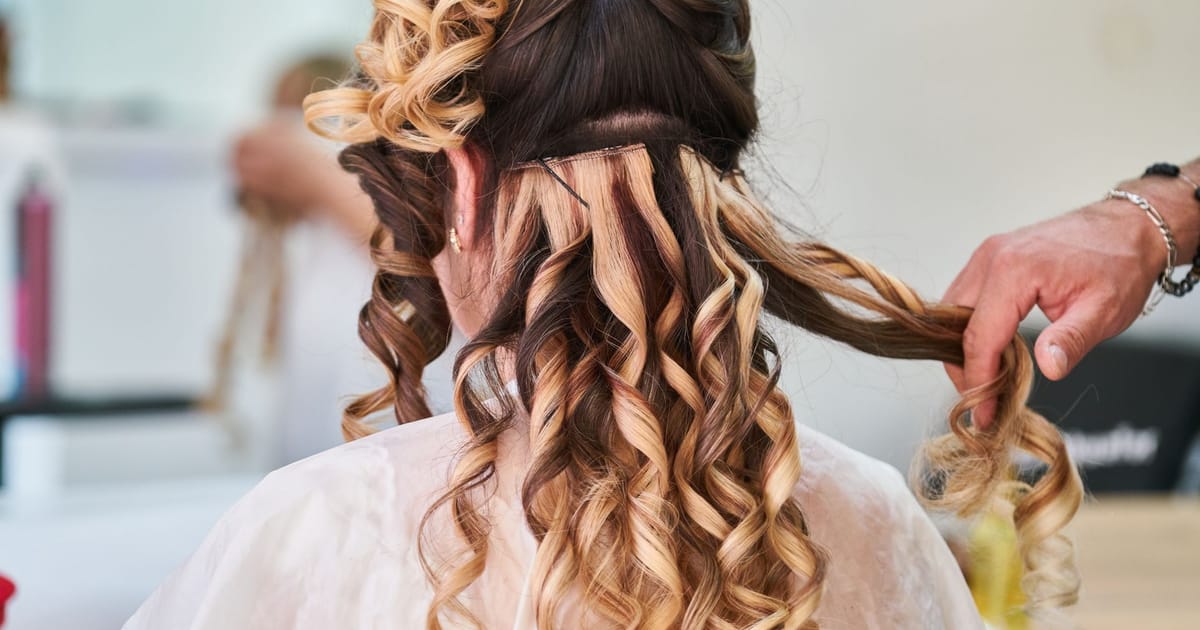
Hair extensions typically cost between $100 and $3,000 or more for the first install, depending on method, hair quality, quantity of hair, and your stylist's market. Clip-ins are the budget-friendly entry point at $100 to $400 for the hair itself with no labor charge. Professional methods -- tape-in, sew-in, fusion, micro-link, and halo -- generally run $500 to $2,500 all-in for the initial appointment, per salon industry pricing surveys.
Methods at a Glance: Cost and Longevity
Before diving into each method, this table gives you a working benchmark. Ranges reflect both the cost of the hair and the salon labor for installation. Prices are drawn from Professional Beauty Association (PBA) member salon data and consumer pricing surveys published by IBISWorld.
| Method | Typical All-In Cost (First Install) | Longevity / Upkeep Frequency |
|---|---|---|
| Clip-in | $100 -- $400 (hair only, DIY) | Daily removal; no move-up needed |
| Halo | $200 -- $600 (hair only, DIY) | Adjust daily; no move-up needed |
| Tape-in | $300 -- $1,200 | 6 -- 8 weeks for move-up |
| Sew-in / weave | $200 -- $1,000 | 4 -- 6 weeks for tightening |
| Micro-link / beaded | $500 -- $2,000 | 8 -- 12 weeks for repositioning |
| Fusion / keratin bond | $800 -- $3,000+ | 8 -- 12 weeks for repositioning |
Ranges are wide because total cost depends on hair length, volume, hair quality, and market. A full-length, high-density install in a major metropolitan area costs considerably more than a partial install in a smaller market.
Clip-In and Halo Extensions: The DIY Entry Point
Clip-in and halo extensions are attached and removed by the wearer rather than a salon, which eliminates the labor component entirely. That makes them the lowest upfront spend -- and the right choice for people who want extensions occasionally rather than every day.
Clip-In Extensions
Clip-in sets consist of wefts with small pressure clips that snap onto sections of your natural hair at the root. Synthetic clip-in sets are available for $30 to $100 at beauty supply retailers. Human hair clip-ins, according to PBA-affiliated salon suppliers, typically range from $100 to $400 depending on length and density. A full set for very long, thick hair can push higher.
The trade-off: clip-ins must come out every night to prevent matting and breakage. They also require some practice to blend seamlessly, especially at the hairline. On the plus side, there are zero recurring salon costs.
Halo Extensions
A halo is a single weft attached to a thin, clear wire that sits on top of the head like an invisible crown. Your natural hair covers the wire. Halo sets in human hair typically run $150 to $600 depending on length and thickness, per industry supplier data. Like clip-ins, they are applied and removed daily by the wearer with no salon labor.
Halos work well for people who want temporary volume and length without any commitment or risk to their natural hair.
Clip-In Fit Check
Before purchasing a clip-in or halo set, bring a strand of your natural hair to compare color and texture in store lighting, or order from retailers with a generous return policy. Getting the weight and color match right matters more than the brand name on the package.
Tape-In Extensions: Popular, Moderate Investment
Tape-in extensions are one of the most requested professional methods, according to PBA member stylists. Thin wefts with pre-applied adhesive tape are sandwiched in sections around your natural hair close to the root. Installation for a full head typically takes two to three hours.
The all-in cost for a tape-in install -- hair plus labor -- generally falls between $300 and $1,200, per salon industry pricing surveys. Where you land in that range depends on:
- Hair quality: Synthetic tape-ins are cheaper but cannot be heat styled and have a short lifespan of a few weeks. Human Remy hair, where the cuticle direction is preserved, costs more upfront but can be re-taped and reused for six to twelve months.
- Number of wefts: A partial install (volume enhancement, not length) may use 20 to 40 pieces. A full-length, high-density install can use 60 to 100 wefts or more.
- Stylist experience and market: A certified extension specialist in a major city charges more than a generalist in a smaller market -- and typically delivers better blending results.
The Real Long-Term Cost Is Maintenance
The first install is only part of the picture. Tape-ins need a move-up appointment every six to eight weeks as your natural hair grows and the tape slides away from the root. Move-up appointments typically cost $100 to $300 per visit for the labor alone -- the hair can usually be reused. Over one year, that is six to eight salon visits on top of the original install. Factor this into your total budget before choosing a method.
Sew-In Weaves: Labor-Intensive, Lower Hair Cost
A sew-in weave involves braiding your natural hair into a cornrow base, then sewing weft extensions onto the braids with a needle and thread. It is one of the most established professional extension methods, particularly popular for textured and coily hair types.
The cost of the hair is generally lower than fusion or micro-link because wefts are sold in bundles rather than individual strands. Human hair bundles typically run $50 to $150 each, and most installs require two to four bundles depending on the look, according to salon supplier pricing data. Salon labor for the braiding and sewing ranges widely -- typically $100 to $600 -- based on the stylist's experience, the complexity of the braid pattern, and geographic market. All-in, expect $200 to $1,000 for a full install.
The maintenance rhythm is tighter than other methods: sew-ins need a tightening or refresh appointment every four to six weeks as the braided base loosens with natural hair growth. Leaving a sew-in too long without maintenance increases the risk of matting and breakage at the braid line.
Fusion and Keratin Bond Extensions: Highest Upfront, Longest Lasting
Fusion extensions -- also called keratin bond or hot fusion -- are applied strand by strand using a heat tool that melts a small keratin bond attaching the extension strand to a section of your natural hair. The result is the most natural-looking movement of any permanent method because each strand moves independently.
The trade-off is cost and time. A full fusion install can take four to eight hours. The hair itself -- almost always human Remy or virgin hair for this method -- typically runs $300 to $1,500 or more depending on length and how many grams are used. Per PBA pricing data, all-in labor and hair costs for a full fusion install generally range from $800 to $3,000 or more in higher-cost markets.
Because the individual bonds shift with natural hair growth, fusion extensions need a repositioning appointment -- sometimes called a move-up -- every eight to twelve weeks. Removal requires a special solvent and should always be done by a licensed extension specialist. Attempting to pull bonds out at home is a reliable way to break your natural hair.
Improper Installation or Removal Can Damage Natural Hair
Every permanent extension method carries some risk if the stylist is not properly trained. Fusion bonds applied too close to the root, sew-in braids that are too tight, or tape-in adhesive removed without the correct solvent can all cause breakage or traction alopecia. Always book with a licensed cosmetologist who holds a recognized extension certification (Great Lengths, Hairdreams, Hotheads, or equivalent) and who performs a hair-health assessment before the service.
Micro-Link and Beaded Extensions: No Heat, No Glue
Micro-link extensions -- also called beaded row, I-tip, or cold-fusion -- attach small pre-tipped extension strands to your natural hair using tiny metal rings or beads clamped shut with pliers. No heat, no adhesive. That appeals to clients who want to avoid chemical or heat bonds.
Installation is time-intensive -- two to six hours for a full head -- which drives up the labor component. All-in, per salon pricing surveys, micro-link installs typically range from $500 to $2,000 depending on the density of the install, hair quality, and market. Repositioning appointments are needed every eight to twelve weeks as the beads slide down the growing hair shaft.
The method works best on hair that is not too fine or fragile, as the weight of the bead can put stress on the strand it is attached to. A licensed specialist should evaluate your hair's structural health before recommending this method.
What Drives the Price Up -- or Down
Several factors shift any install's cost significantly.
Hair length and volume. Longer hair requires more extension hair by weight (grams) or number of wefts. A chin-length style requires far less than mid-back length with full density. Volume -- how thick you want the result to look -- adds strands or bundles regardless of the target length.
Hair quality. Synthetic hair is cheapest and has a lifespan measured in weeks. Human hair costs more and can last one to three years with proper care. Within human hair, Remy (cuticle-aligned) and virgin (unprocessed) grades cost the most but blend, style, and hold color more naturally. Per PBA supplier data, the grade of hair is often the single biggest cost variable in a high-end install.
Stylist skill and certification. A stylist who holds a manufacturer-specific extension certification -- and whose portfolio shows consistent, clean work -- typically charges more than a generalist. That premium is usually worth it. Extension removal gone wrong is expensive to correct. You can read more about evaluating stylist credentials in our guide How to Choose a Hairstylist: Skills, Credentials, and Portfolio.
Geographic market. The same service costs significantly more in New York, Los Angeles, or Miami than in a smaller market. PBA pricing surveys consistently show 40 to 80 percent variation between the highest- and lowest-cost US markets for the same extension method.
Maintenance and Replacement: The Real Long-Term Cost
This is the section most extension guides skip -- and the one that matters most to your annual budget.
Every permanent extension method requires recurring salon appointments. The hair attached to your head is not growing; your natural hair underneath is. As it grows, bonds slide down, beads loosen, and tape peels away from the root. Those appointments cost money every six to twelve weeks, for as long as you wear extensions.
For tape-in extensions, move-up appointments -- where old tape is removed, the hair cleaned, and new tape applied -- typically run $100 to $300 per visit, per PBA pricing data. That is $600 to $2,400 in move-up costs alone over a single year, before any hair replacement.
Extension hair itself degrades over time. Human Remy hair on a tape-in or micro-link install can often be reused through several move-ups. Fusion bonds need to be cut off and typically cannot be reused. At some point -- usually six months to a year in -- some or all of the hair needs to be replaced.
To estimate your actual annual cost, calculate:
- First install (hair + labor)
- Move-up appointments x frequency per year
- Partial or full hair replacement at 6 to 12 months
A moderate tape-in install with human Remy hair might cost $700 upfront, $200 per move-up seven times in a year ($1,400), and $350 for a partial hair refresh -- bringing the true first-year total to roughly $2,450. That is not a criticism of extensions; it is the information you need to budget accurately. See Average Hair Salon Prices in the US: 2024 Data for broader context on what professional salon services typically cost in your market.
Longevity Varies by Care Routine
Extension longevity numbers assume proper at-home care: sulfate-free shampoo, conditioning from mid-shaft down only, wide-tooth comb detangling, and heat protection on every use. Skipping these steps shortens the lifespan of even high-grade Remy hair considerably. Your stylist should provide a specific aftercare protocol at installation.
Choosing a Method by Lifestyle and Budget
Not every method suits every lifestyle. A few practical filters:
Budget-first. If keeping recurring costs low is the priority, clip-ins or a halo are the honest answer. The per-wear cost is low, there are no maintenance appointments, and you can stop anytime. The trade-off is daily application time and less seamless blending for some hair types.
Active lifestyle. Swimmers and people who work out daily often find that chlorine and sweat accelerate tape-in adhesive breakdown and increase micro-link bead corrosion. Sew-in weaves and fusion bonds tend to hold better under frequent washing. Discuss your routine openly with your stylist before booking.
Fine or fragile hair. Fusion bonds and micro-links add weight per strand, which can stress fine hair over time. Tape-ins spread weight across a wider section and are sometimes better tolerated by finer textures -- though a hair-health consultation is essential regardless. Very fine, damaged, or thinning hair may not be a good candidate for permanent extensions at all; a licensed extension specialist can make that assessment honestly.
Occasion-only wear. For weddings, events, or occasional photography, clip-ins and halos deliver high impact with zero commitment and minimal cost. Many professional extension stylists also offer blow-dry bar or event-day application of clip-in sets if you want help with placement and blending.
Before committing to any method, read through our guide on how to choose a hairstylist to understand what credentials and portfolio red flags to look for in an extension specialist specifically. And if you are comparing the overall cost of professional hair services, our haircut cost guide provides context on how base service pricing varies by market and salon type.
Book a Consultation First
Most reputable extension stylists offer a paid or complimentary consultation before the install appointment. Use it. Bring reference photos, be honest about your hair history (bleach, relaxer, heat damage), and ask to see a portfolio of completed extension work -- not just the brand's marketing images. A stylist who rushes the consultation is a stylist who may rush the install.
Extensions are a meaningful investment in both time and money. The clients who are happiest with the result are usually the ones who went in with a realistic number -- including maintenance -- and a stylist whose portfolio matched exactly the look they wanted.
Frequently asked questions
How much do hair extensions cost on average?
The total cost depends heavily on method and hair quality. Clip-ins start around $100 to $400 for the hair alone. Professional methods like tape-in, sew-in, fusion, and micro-link typically run $500 to $2,500 or more all-in for the initial install, according to salon industry pricing surveys.
What is the cheapest type of hair extensions?
Clip-in extensions are the most affordable entry point -- synthetic sets start under $50 and human hair clip-ins typically run $100 to $400. There is no recurring salon labor cost since you apply them yourself, though they require daily removal and do not blend as seamlessly as permanent methods.
How often do hair extensions need to be maintained?
Maintenance schedules vary by method. Tape-in extensions typically require a move-up appointment every six to eight weeks. Sew-in weaves need a salon visit every four to six weeks. Fusion and micro-link installs usually hold eight to twelve weeks before needing repositioning as natural hair grows.
Does the type of hair (synthetic vs. human) affect cost significantly?
Yes, dramatically. Synthetic hair is far cheaper but cannot be heat-styled and has a shorter lifespan. Human Remy hair -- where the cuticle layers are aligned -- costs significantly more but blends naturally, accepts color, and can last one to three years with proper care, making it more cost-effective long term.
Can hair extensions damage your natural hair?
Yes, if applied or removed incorrectly. Heavy wefts, excessive glue, or tight braiding can cause traction alopecia or breakage. Always work with a licensed extension specialist who performs a hair-health consultation before the service. Proper maintenance and removal are just as important as the initial install.