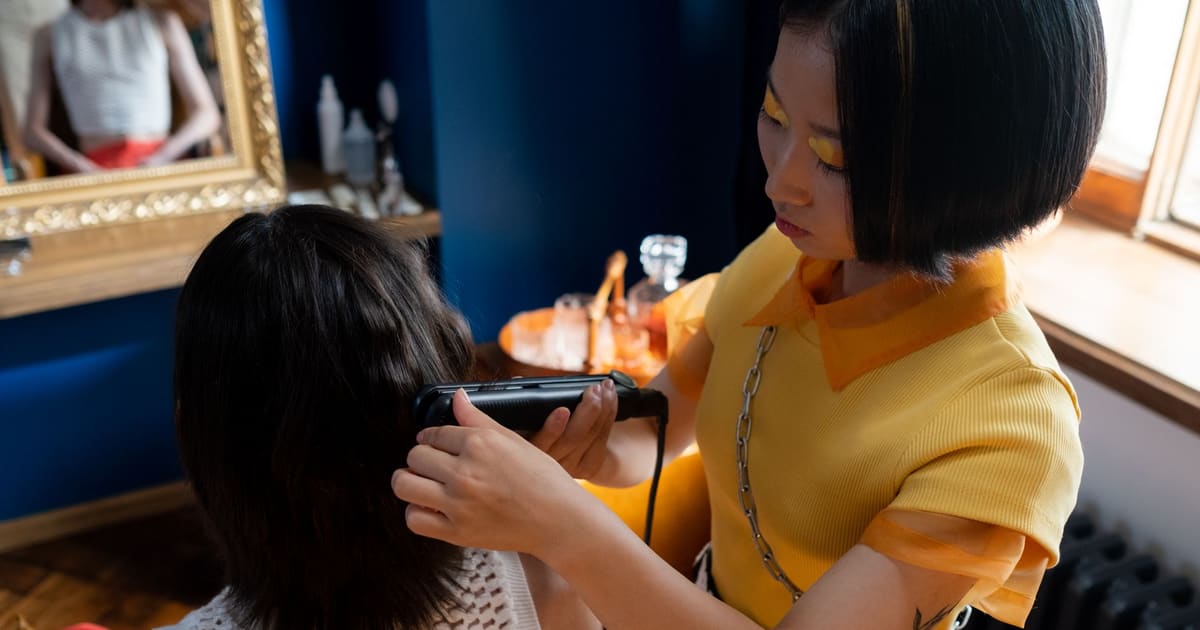
Hair color correction typically costs $100 to $150 per hour at US salons, with most corrections totaling $300 to $800 depending on complexity and time required, according to color specialist pricing surveys. Major corrections -- removing multiple applications of box dye, correcting a failed DIY bleach, or lifting significantly dark hair -- can exceed $800 and often require more than one session to complete safely.
Why Color Correction Is Billed by the Hour
Unlike a standard color service, a correction cannot be estimated by looking at a menu. The colorist does not know how many bleach lifts will be needed, how the existing color will respond to product, or how long each stage will take until they are standing in front of the hair and working through it. Hourly billing is the industry standard for this service precisely because the scope is unknown at booking.
Most color specialists set a minimum charge -- often $150 to $200 -- to cover the consultation and initial assessment even if the work turns out to be lighter than expected. Ask for this figure when you call. It is not a deposit; it is the floor price for the stylist's time regardless of outcome.
Average Color Correction Cost by Complexity Level
Pricing surveys from salon industry sources group corrections into three rough tiers based on the amount of work required:
Simple correction (2 to 3 hours, $200 to $350): Neutralizing brassiness that went too warm, correcting a shade that landed a level or two off from the target, or evening out a patchy single-process application. These are single-process adjustments that do not require significant bleaching or stripping.
Moderate correction (3 to 5 hours, $350 to $600): Removing a few applications of box dye from medium-length hair, correcting a balayage that turned out too orange or too high-contrast, or getting a single-process dark base lightened enough for a dimensional color. May involve a lightener application and a toner in the same session.
Complex correction (5 to 8+ hours, $600 to $1,000+): Taking heavily box-dyed dark hair back to blonde, addressing years of accumulated color buildup, or correcting a previous bleach application that caused significant banding or breakage. Complex corrections almost always span two or more appointments. According to color education platform guidance, attempting full complex corrections in a single session puts hair integrity at serious risk.
For a useful framing of what causes the need for a correction in the first place, see salon color vs. box dye -- the main risk factors for ending up in a correction situation are clearly laid out there.
What Is Included in a Color Correction Service?
A color correction appointment typically includes some combination of the following, depending on what the hair needs:
- A thorough consultation and strand test before chemical application begins
- One or more lightener or bleach applications to lift existing color
- A toner or gloss to neutralize unwanted warmth or brassiness after lifting
- A base color application if the hair needs to be reset before the target shade is applied
- A deep conditioning or bond-treatment application, often included or offered at cost, given the amount of processing involved
What it does not typically include: a haircut, a blowout, or aftercare products -- these are usually priced separately. Ask at the time of booking whether conditioning treatment is included in the hourly rate or charged separately.
Most Common Reasons Clients Need Color Correction
Understanding why a correction is needed shapes both the scope of the work and the cost. The most frequently cited causes, according to salon education guidelines, are:
Box dye applied at home. Over-the-counter permanent color deposits predictably but lifts unpredictably. Many applications over time create layers of varying density that do not respond evenly to professional lifting. The metallic salts in some formulas create additional complications.
A previous salon visit that went wrong. Whether from miscommunication, a product that did not behave as expected, or a stylist working outside their skill level, the result can require professional remediation. Bring a photo of what you wanted alongside a description of what was done -- it helps the correcting colorist understand the gap.
DIY bleach that went wrong. Bleaching at home without developer knowledge, without monitoring processing time, or on compromised hair regularly results in uneven lift, banding, or breakage that requires skilled correction before any color can be applied.
Color-on-color layering. Depositing multiple rounds of permanent color in different shades without proper removal between them creates buildup that behaves unpredictably. This is common among clients who have changed their color direction several times and assumed each new application simply overwrote the last.
How Long Does Color Correction Take?
Expect to spend at least three hours in the chair for a basic correction, and potentially a full day for a complex one. Color corrections involve multiple steps with processing time between each, and experienced colorists do not rush that. Attempting to compress a six-hour correction into three hours to make a flight or a dinner reservation is how hair breaks.
When you book, ask the colorist for a realistic time estimate based on what you describe. If they quote you two hours for something that sounds like years of accumulated box dye, that is worth exploring before you commit. The consultation is the right time to align on timeline.
How to Choose a Colorist for a Color Correction
Not every licensed cosmetologist has extensive experience with complex corrections. For a correction involving significant lifting or multiple chemical stages, look for a colorist who:
- Actively performs corrections regularly and has portfolio examples
- Asks detailed questions about your color history, not just what you want
- Does a strand test before full application
- Provides a multi-session estimate if the work requires it rather than promising a one-appointment result
- Is licensed with your state cosmetology board, which can be verified via the state's online license lookup tool
For guidance on evaluating a colorist's credentials and portfolio more broadly, see how to choose a hairstylist.
Get a Consultation Before You Book Time
Most color specialists offer a free 15 to 30-minute consultation before a correction. Use it. This is the meeting where you will find out how many sessions the work realistically requires, what the process involves, and what your hair will look and feel like at each stage. A colorist who skips straight to booking without asking about your history is not the colorist you want for this service.
How to Avoid Needing a Color Correction in the Future
The most direct path away from correction appointments is maintaining an honest relationship with a single colorist who knows your hair history. Beyond that, a few practical habits reduce the risk significantly:
Avoid permanent box dye between salon appointments. Semi-permanent options with no developer are far less likely to create the buildup and unpredictable lift behavior that drives correction appointments. If you need to manage roots between visits, ask your colorist what they recommend for your specific color.
Request a strand test whenever you are significantly changing direction -- going darker, lifting dramatically, or trying a new formula. A strand test takes ten minutes and can reveal incompatibility before it becomes an expensive problem.
Before any major color change, see how to prepare for a hair color appointment -- it covers the information you should bring to the consultation and the questions worth asking before any chemical service begins.
For a full picture of how hair color services are priced, including single-process, highlights, and balayage, see the hair color cost guide.
Frequently asked questions
Can I get a color correction if I used box dye at home?
Yes, but box dye corrections are among the most complex. Metallic salts in some box formulas can cause unpredictable reactions when professional bleach is applied. A thorough strand test before any correction is standard professional practice. Expect a consultation first and be prepared for the possibility that multiple sessions are needed to achieve a safe, even result.
How many sessions does color correction usually take?
Many color corrections require two or more sessions spaced three to six weeks apart, according to color specialist guidance. Attempting to complete a major correction -- dark box dye to blonde, for example -- in a single session risks significant breakage. Your colorist should give you a realistic session estimate after the consultation, not a one-appointment guarantee.
Will color correction damage my hair?
Color correction involves lifting, depositing, or stripping existing color, and the chemicals required can be harsh on compromised hair. A skilled colorist minimizes damage by working in stages and monitoring hair integrity throughout the process. If your hair is significantly damaged before the appointment, your stylist may recommend a strengthening treatment first rather than proceeding immediately.
What is the difference between a root touch-up and a color correction?
A root touch-up refreshes single-process color at the regrowth line -- it is a maintenance service that takes 45 to 90 minutes and costs $50 to $120. A color correction is remedial work to fix an uneven, patchy, or unintended color result. It is billed by the hour because the scope and difficulty cannot be predicted until the stylist assesses the hair in person.
Should I have a consultation before a color correction appointment?
Yes, always. A consultation allows the colorist to assess your current color, the porosity and condition of your hair, and what the realistic end-goal looks like in one session versus multiple. Most salons offer free consultations for color corrections. Skipping the consultation and booking a standard one-hour color appointment is likely to result in an incomplete service and an awkward conversation at checkout.
Is color correction possible in one appointment?
Simple corrections -- a single shade too dark, a slightly warm tone to neutralize -- can often be resolved in one session of two to three hours. Major corrections, such as going from multiple box-dye applications back to a natural-looking blonde or lifting a dark permanent color to a fashion shade, almost always require multiple sessions to keep the hair structurally intact.